
Local vs. Central Heating and Cooling Systems
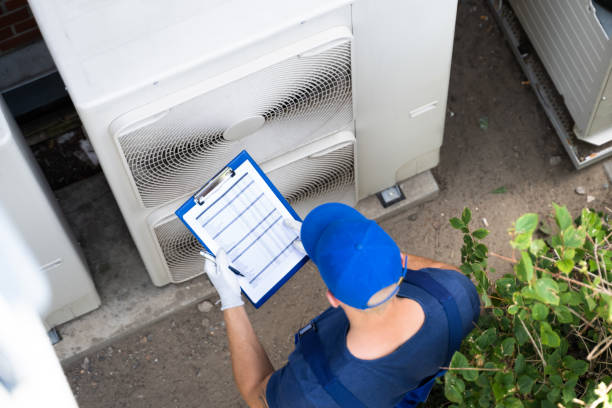
Heating and cooling are essential for maintaining comfort at home, especially in regions where temperatures fluctuate drastically across seasons. Choosing the right system is not just about comfort—it also affects energy bills, maintenance needs, and even the long-term value of your home. Two of the most common approaches are local systems and central systems. While both aim to regulate indoor temperatures, they function very differently and come with their own advantages and drawbacks.
In this blog, we’ll compare local vs. central heating and cooling systems, discuss how they work, and help you decide which option is best suited for your home or business.
What Are Local Heating and Cooling Systems?
Local systems are designed to heat or cool specific rooms or areas rather than an entire home. They are often installed as standalone units and require no major ductwork. Common examples include:
-
Space heaters
-
Window air conditioners
-
Portable AC units
-
Electric baseboard heaters
-
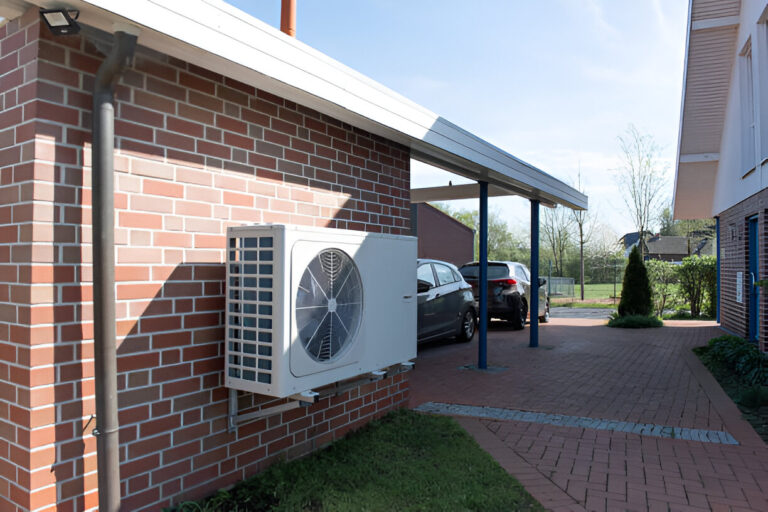
Ductless mini-split systems
These systems are typically smaller, easier to install, and more affordable upfront than central systems.
Benefits of Local Systems
-
Lower Initial Investment
Local units are generally less expensive to purchase and install. If you’re working with a limited budget or only need to control the temperature in one or two rooms, local systems are an attractive option. -
Energy Efficiency in Small Spaces
If you spend most of your time in a single room, running a whole-house system can be wasteful. A local system allows you to heat or cool only the space you’re using, potentially lowering energy bills. -
Flexible Installation
Older homes that lack ductwork or properties with unique layouts may not be suited for central systems. Local units, especially ductless mini-splits, are a practical alternative in such cases. -
Zoned Comfort
Each local unit can be controlled independently. This means one person can enjoy a cooler bedroom while another prefers a warmer living room.
Drawbacks of Local Systems
-
Limited Coverage – They are inefficient for large homes or open floor plans since you’d need multiple units.
-
Aesthetic Impact – Window ACs and space heaters can be visually unappealing and occupy valuable space.
-
Maintenance Needs – With multiple units, you may have to clean filters, refill refrigerants, or service each device separately.
What Are Central Heating and Cooling Systems?
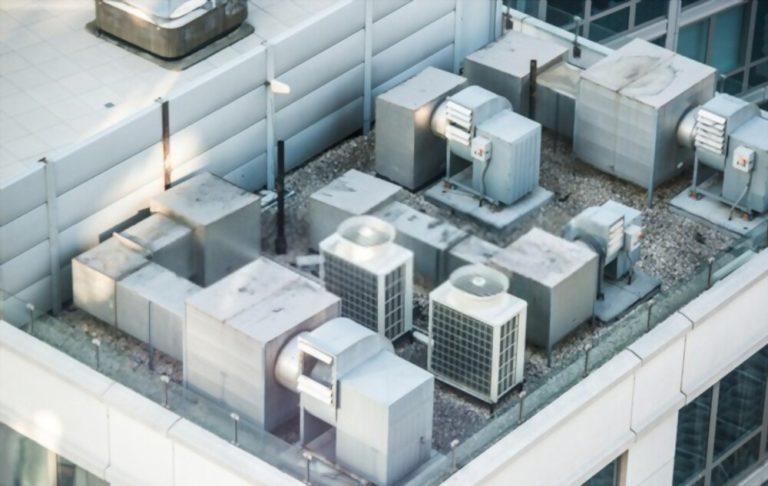
Central systems are designed to maintain comfort throughout an entire building. They distribute conditioned air (or heat) through a network of ducts, vents, or pipes. Examples include:
-
Furnaces paired with ductwork
-
Central air conditioning systems
-
Heat pumps
-
Boilers with radiators or radiant floor heating
These systems are usually installed during construction or major renovations, making them a long-term investment.
Benefits of Central Systems
-
Whole-Home Comfort
Central systems maintain a consistent temperature in every room, making them ideal for larger homes or families who want uniform comfort. -
Cleaner Aesthetic
Unlike bulky window units or portable heaters, most central HVAC equipment is tucked away in basements, attics, or utility rooms, with only vents visible indoors. -
Improved Indoor Air Quality
Central HVAC systems often include air filters, humidifiers, or purifiers, which can significantly improve indoor air quality by removing dust, allergens, and pollutants. -
Adds Property Value
Homes with central heating and cooling systems are more appealing to buyers, often boosting resale value.
Drawbacks of Central Systems
-
Higher Upfront Cost – Installation can be expensive, especially if your home doesn’t already have ductwork.
-
Energy Consumption – Running a whole-house system just to heat or cool one room can lead to unnecessary energy use.
-
Potential Ductwork Issues – Leaks, blockages, or poor insulation in ducts can reduce efficiency and increase costs.
-
Limited Zoning – Unless equipped with advanced zoning technology, all rooms typically receive the same temperature settings.
Local vs. Central: How to Decide
Choosing between local and central heating and cooling systems depends on several key factors:
1. Home Size and Layout
-
Small homes or apartments → Local systems are usually sufficient.
-
Large homes or multi-story properties → Central systems provide better comfort and efficiency.
2. Budget
-
Tight budget → Local systems are cheaper to install and can be added gradually.
-
Long-term investment → Central systems cost more upfront but may offer better efficiency and add value to your property.
3. Energy Efficiency
-
Occasional use of a single room → Local systems are more efficient.
-
Consistent use of the whole house → Central systems are generally more cost-effective in the long run.
4. Installation Feasibility
-
Homes without ducts → Local units or ductless mini-splits avoid the need for costly retrofitting.
-
Homes with existing ductwork → Central systems may be the most practical upgrade.
Hybrid Solutions: The Best of Both Worlds
In many cases, a combination of local and central systems provides the most flexibility. For example, you might rely on a central system for whole-house comfort but install ductless mini-splits in bedrooms or home offices to allow independent temperature control. This hybrid approach can balance comfort, efficiency, and cost.
Final Thoughts
Both local and central heating and cooling systems have clear advantages depending on your needs. Local systems excel in affordability, flexibility, and zoned comfort, while central systems provide consistent whole-home climate control, cleaner aesthetics, and higher property value.
If you’re still undecided, consult reliable and the best HVAC Contractor in your area. They’ll assess your home’s size, layout, insulation, and energy goals to recommend the most cost-effective and comfortable solution.
Ultimately, the right choice comes down to your lifestyle, budget, and long-term plans for your home. Whether you prefer the targeted efficiency of local systems or the all-around comfort of central systems, making an informed decision will ensure year-round comfort for you and your family.