


CAMBRIDGE HEATING AND COOLING - BEST HVAC SCARBOROUGH
It is not a overnight, We’ve been keeping families comfortable since 1999. We’re available 24/7 with no holidays around the year weather it’s a hot summer day or chill winter night, which makes us BEST HVAC CONTRACTOR IN SCARBOROUGH. Our aim is to satisfy yours all heating and cooling needs for any kind of HVAC system either Furnace, Air Conditioning, Boiler or Heat pump, We do installation, replacement, repair and maintenance services.
MAJOR BRANDS WE DEAL IN







PROUD TO BE CALLED "TOP HEATING CONTRACTOR SCARBOROUGH"

Becoming Top contractor in all over GTA specially Best heating and cooling Toronto did not happen overnight, we made several innovative changes to the way we do business in order to ensure customer satisfaction. We also increased our availability not only in Scarborough but also in all GTA areas mainly in Ajax, Pickering, Whitby, Oshawa and Vaughan, so that we are always there when our customers need us most. Our award winning service and installation department are open 24 *7 a day 365 days a year and we never charge extra for nights, weekends or holidays.
AWARDS WINNING COMPANY IS YOUR RIGHT CHOICE FOR LOW COST HVAC SERVICE SCARBOROUGH

We are serving the GTA for the past 20+ years. Our reputation as one of the top heating and air conditioning businesses in Toronto has been established by this experience, coupled with our commitment to quality and exceeding our service commitment.
Cambridge Heating and Cooling is Proud 2023 Best of Home Stars Award Winner. This is not a first time, we have been winner for many years in past.
SCHEDULE SERVICE
Or Call 4167504363
WHAT WE DO IN HVAC SERVICES
OUR HIGHLY SKILLED AND PROFESSIONAL PROS ARE JUST A CALL AWAY TO GIVE YOU FRESH BREATH, OUR MAINLY BUT NOT LIMITED SERVICES ARE;
Buy New Or Replace Old Furnace
Cambridge Heating and Cooling is an authorized dealer for renowned brands in Canada such as Trane for high-efficiency gas furnace installation at the best price in town.
Furnace Cleaning & Maintenance
Cambridge Heating Cooling have offered very affordable Cleaning and Maintenance Packages, Kindly see our Promotion Navigation tab to know the current HOT offer.
24/7 Furnace Repair Service
Don’t worry if your furnace is not working, Contact us! Cambridge Pros are available 24/7 for quick diagnosis and repair service in any case of emergency.
NEW AIR CONDITIONING INSTALLATION
High-Efficiency air conditioning Installation at the best price in town.
EMERGENCY AIR CONDITIONING REPAIR
Our HVAC repair team is highly skilled to repair your air conditioner with perfection.
AIR CONDITIONING MAINTENANCE
Visit our air conditioning maintenance plans and details to keep your AC long runner.
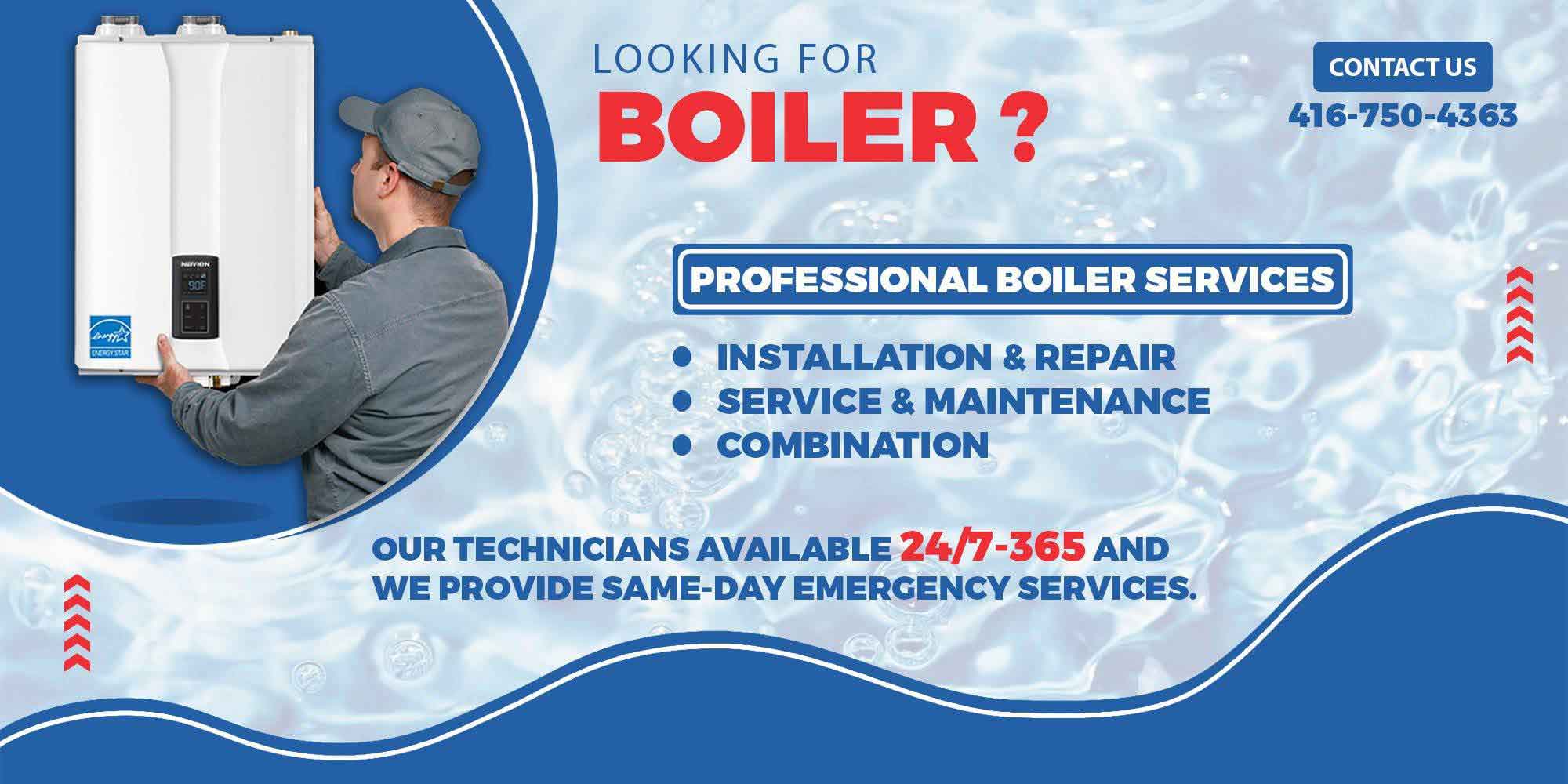
Boiler Installation
if you’re longing for a touch of hot steam to get the heat circulated all-around your house while saving tons of energy, then there’s nothing better than getting boilers from us. Our boilers are compact and so don’t take much space, as compared to others.
Water Heater Installation, Repair and Maintenance
How about a water heater as well? Don’t tell me you don’t want hot water coming out of your taps and showers. It’s like a primary goal of a home in winters. So don’t miss it and quickly grab this opportunity to win comfort while showering and even washing the dishes.
Heat pumps Installations, Repair and Maintenance
To enjoy a cozy environment, you should consider getting a heat pump installed in your house. Not only do these pumps will save energy consumption but also save money because of their cost-effectiveness.
BECAUSE WE ARE BEST HEATING AND COOLING COMPANY IN SCARBOROUGH FOR NUMBER OF REASONS
- Licensed highly skilled, trained and verified technicians
- 20 years of business excellence
- Home depot authorized dealer
- Top choice award winner for heating and cooling in Toronto
- Best of home stars 2019-2020
- Trane Home Comfort Specialist
- Reader’s choice award winner from 2006-2018
- 24 x 7 customer service & emergency service
- Easy financing options
- 99.99% Customer Retention
- BBB Accredited
- TSSA certified contractor
OUR SERVICE AREAS
Although our head office is in Scarborough, we serving mainly in all GTA areas including Toronto, Oshawa, Ajax, Pickering, Whitby, Milton, Oakville, Brampton, Mississauga, Markham, and other nearby cities whereas in the Ottawa region we do serve the entire Ottawa mainly Kanata, Nepean and Orleans. Our Regional office is located in Nepean. If you’re in any of these areas, then feel yourself lucky! Our professional technician staff always remain available to make your breath easy. so call us now at 416-750-4363 and we will beat the heat and kill the chill and keep you comfortable all year.
SCARBOROUGH'S MOST AFFORDABLE HVAC SOLUTION GUARANTEED !!
CONTACT US WITH CONFIDENCE ! WHATEVER YOUR NEED IS, EITHER IT’S A NEW FURNACE INSTALLATION, EMERGENCY HEAT PUMP REPAIR, OR ANY HEATING AND COOLING SYSTEM REPLACEMENT, WE SERVE ENTIRE GTA SPECIALLY SCARBOROUGH, TORONTO, ON AND ADJACENT AREAS.
It’s a bit chilly out there and you’re shivering even when you’re home, covered with blankets. It’s winter and it sure isn’t gonna feel good if you’re not using a heating device in your residential or commercial place. Do you want to stay warm and cozy all winter or just keep regretting your decision of not choosing Cambridge Heating and Cooling for a low-cost but super effective heating solution? Make your choice!
You might be using those old gas or electric heaters but they consume too much. You need something high in quality and efficient in energy consumption and you can find that in our furnace. Not only our furnace will save you from high bills but also save you and your family from lots of health hazards that old gas heaters can cause.
We know how difficult it is to decide whether one should buy a furnace in Scarborough or not because of its high rates. Many of you might be holding yourselves back from buying it because of its expensiveness. This is where our furnace breaks the records! It’s super affordable as we always come up with a solution under your budget.
Well then, to make your living place heaven in winters, just give us a call at 416-750-4363. Our customer service will help you get the best solution and experience and our experts will provide you with the best furnace installation, maintenance, and repair services. Reach out to us now because we’re not comfortable until you are.
STILL SEARCHING RELIABLE, AFFORDABLE , COST EFFECTIVE AND TRUSTED HEATING CONTRACTORS IN SCARBOROUGH
When it comes to pricing, Cambridge heating has taken an open approach. We never do the repair without first getting approval on pricing from customer and our sales team never sell or replace any Furnace, Heat Pump or Air Conditioning Units and other Heating system or services that customers do not truly need. Whether you are replacing your heating equipment, Planning to buy a new one or for service. Our highly trained employees can make ensure the most professional installation and service at very competitive prices.
SCARBOROUGH TOP COMPANY FOR HEATING AND COOLING SERVICES
HUNDREDS OF CUSTOMERS CAN’T BE WRONG
Outstanding work, professional and highly skilled team. Update: I would like to update and commend cambridge team for replacing my hot water tank UNDER WARRANTY! We bought the unit 6 years ago from Cambridge and after multiple attempts to fix it which failed, the entire unit was replaced and I all was done under warranty. Extremely satisfied keep up the good work guys.

 Anas Shaikh
Service was excellent. I had a speedy reply to my inquiry and Aaron was able to help us the next day. He diagnosed the problem quickly and was able to fix it within the hour. Very grateful for his expertise and professionalism all at a reasonable cost.
 Reecon Angle
Cambridge Heating and Cooling replaced my old hot water tank with a new one. I have a large tank witch other companies were not able to get and Cambridge managed to get one within a few days. They came early to do the assessment and were on time for the actual installation. They were professional and reasonable priced. They did a great job of ensuring my house stayed clean and that nothing got damaged.
 Nicholas Ricardo
HVAC INSTALLATION AND REPAIR SERVICE NEAR ME
If you are residents of Scarborough or live near Ajax, Pickering, Oshawa, York, East york, Vaughan, Markham or Etobicoke feel free for best HVAC Repair and Installation services at doorstep with just single call.